
Embracing Imperfection, Time, and Natural Change
In a world obsessed with perfection, where every surface is polished and every line is straight, there’s a growing movement toward embracing imperfection as a source of profound beauty. Wabi-sabi, the Japanese aesthetic philosophy that finds beauty in imperfection, impermanence, and incompleteness, is transforming how architects approach materials, details, and the aging process of buildings. This isn’t about accepting poor craftsmanship or cutting corners—it’s about recognizing that the most beautiful spaces often come from materials that show their age, bear the marks of their making, and change gracefully over time.
As you search for the right architect for your project, understanding wabi-sabi principles will help you identify professionals who can create spaces that become more beautiful with age, that connect you to natural processes, and that offer a refreshing alternative to the sterile perfection that dominates much contemporary architecture. Whether you’re planning a home, office, or retail space, wabi-sabi approaches can create environments that feel deeply human, authentically crafted, and timelessly beautiful.
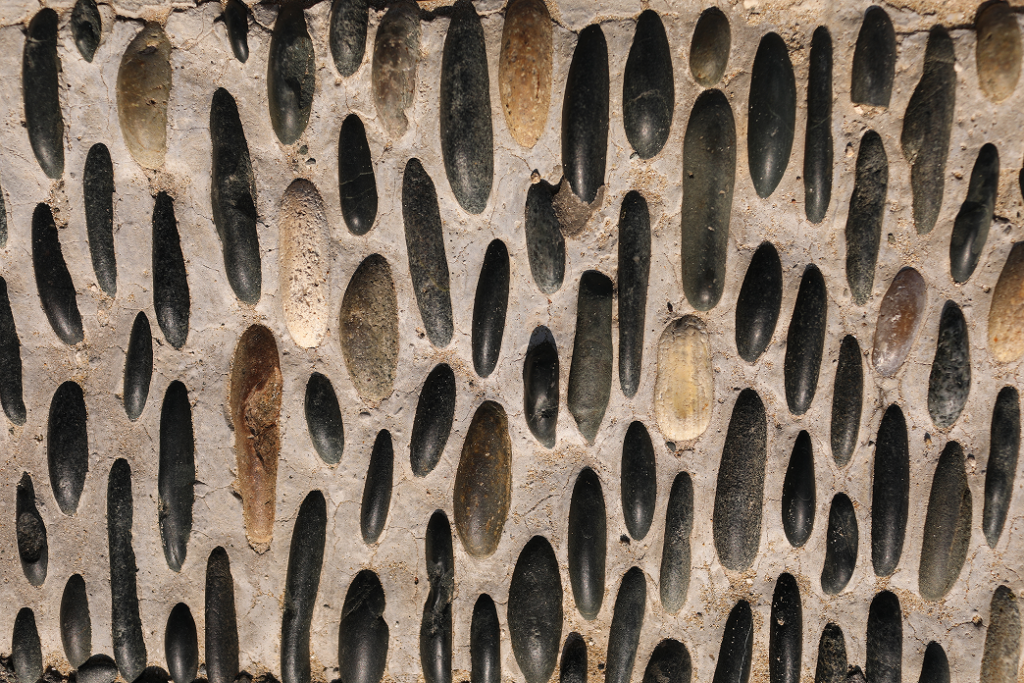
Understanding Wabi-Sabi: Beyond Rustic Decoration
Wabi-sabi is often misunderstood as simply using distressed materials or creating artificially aged surfaces. True wabi-sabi in architecture goes much deeper, embracing fundamental principles about how materials behave, how spaces evolve, and how humans connect with their built environment.
Accepting Natural Aging
Rather than fighting the inevitable effects of time, weather, and use, wabi-sabi architecture celebrates how materials change and develop character through aging. A copper roof that develops a beautiful patina over decades, wooden floors that show the paths of daily life, or stone walls that weather to reveal their internal structure—these changes are not failures to be prevented but natural processes to be celebrated.
This philosophy requires architects to think beyond the moment of completion, considering how their material choices will evolve over years and decades. It demands deep knowledge of how different materials age and the skill to predict and design for these changes rather than simply accepting whatever happens.
Embracing Material Honesty
Wabi-sabi architecture celebrates materials for what they truly are rather than trying to make them appear as something else. Wood looks like wood, with grain patterns, knots, and natural variations visible and celebrated. Stone shows its geological history through mineral veining and natural fractures. Metals display their surface texture and how they respond to environmental conditions.
This honesty extends to how materials are joined and detailed. Rather than hiding connections and transitions, wabi-sabi design often celebrates the joints, showing how different materials meet and interact. This creates opportunities for beautiful details while also acknowledging the human craft involved in building.
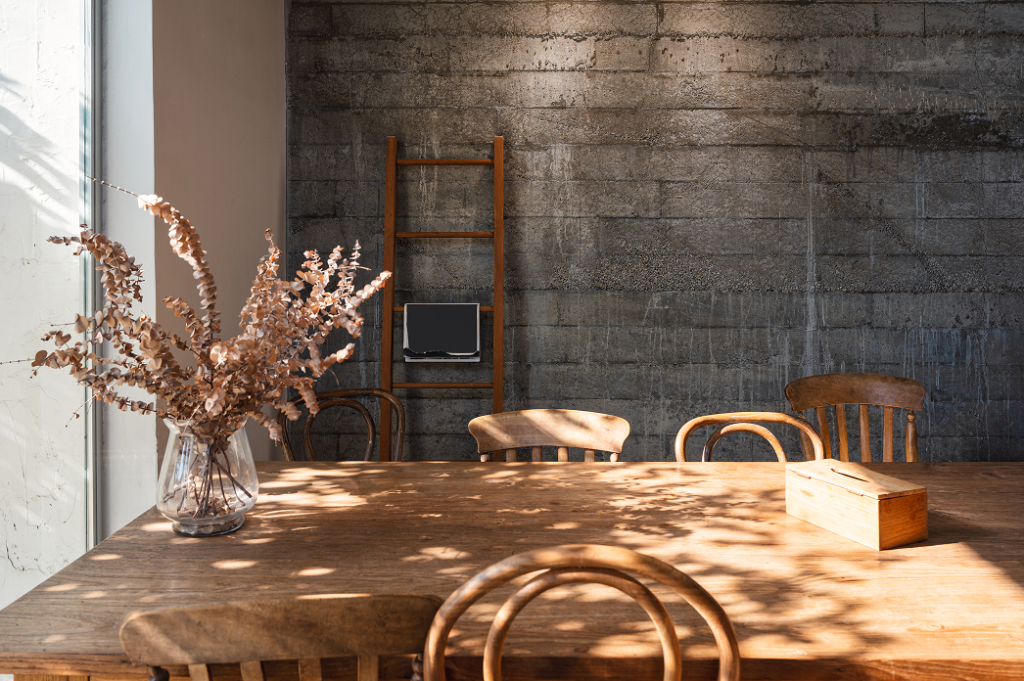
Finding Beauty in Transience
Central to wabi-sabi philosophy is the recognition that nothing lasts forever, and this temporality is part of what makes things precious. Architecture informed by wabi-sabi doesn’t try to create permanent monuments but rather structures that gracefully acknowledge their own impermanence while providing meaningful shelter and beauty during their existence.
This might manifest as design strategies that accommodate change—spaces that can be easily modified as needs evolve, materials that can be repaired and maintained by their users, or details that improve through wear and patina rather than degrading.
Material Selection: Choosing for Character and Change
In wabi-sabi architecture, material selection becomes an exercise in understanding and predicting how different substances will behave over time. The goal is not to prevent change but to ensure that changes enhance rather than diminish the material’s beauty.
Wood: The Perfect Wabi-Sabi Material
Wood naturally embodies wabi-sabi principles, showing its growth history through grain patterns, developing character through use, and aging in ways that typically enhance its beauty. Different wood species age differently—some developing rich patinas, others showing wear patterns that reveal their internal structure, and many gaining depth of color and character over time.
Skilled architects working with wabi-sabi principles understand how to select wood species and apply finishes (or leave them unfinished) to encourage beautiful aging. They might choose softer woods that will show use patterns in high-traffic areas, or select species known for developing beautiful patinas when exposed to light and air.
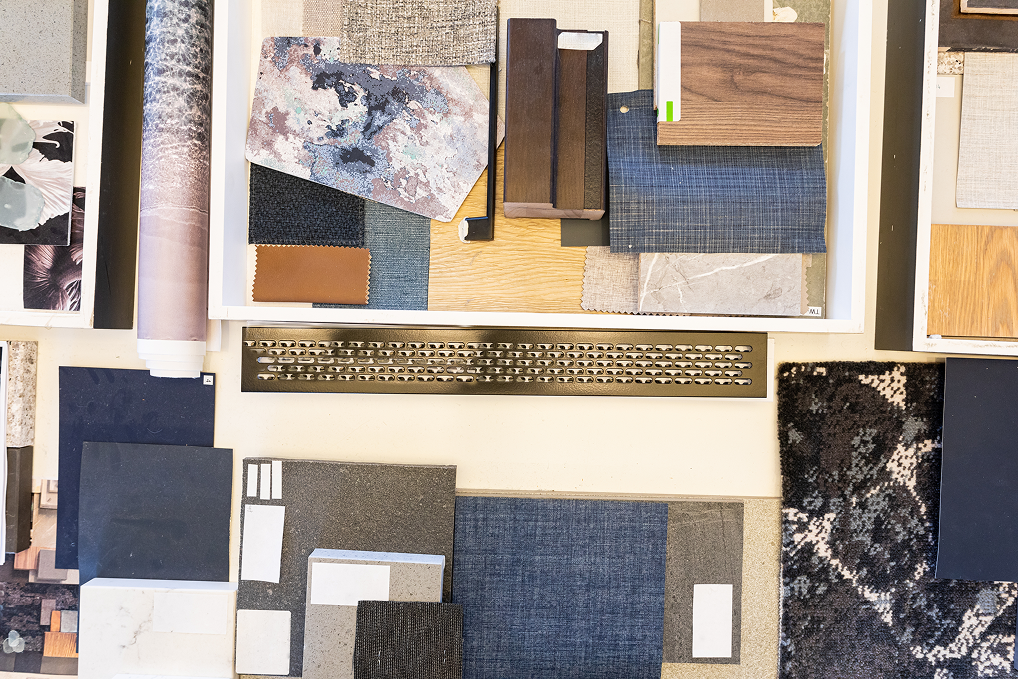
Stone: Geological Time Made Visible
Natural stone carries within it the history of geological processes spanning millions of years. Wabi-sabi architecture celebrates this history by selecting stones that show their formation process—sedimentary rocks with visible layering, volcanic stones with interesting textures, or metamorphic rocks with dramatic mineral patterns.
The weathering of stone creates some of the most beautiful wabi-sabi effects in architecture. Soft limestones that develop texture through erosion, sandstones that reveal their internal structure through weathering, or granites that show differential weathering of their mineral components—these natural processes create beauty that no human craftsperson could replicate.
Metal: Embracing Oxidation and Patina
While conventional architecture often tries to prevent metal corrosion, wabi-sabi approaches might embrace the beautiful patinas that develop on copper, bronze, and weathering steels. Corten steel, which develops a stable rust patina that protects the underlying metal, has become popular in wabi-sabi-influenced architecture precisely because it demonstrates controlled, beautiful aging.
Clay and Earth Materials
Adobe, rammed earth, and ceramic materials naturally embody wabi-sabi principles through their connection to earth and their response to environmental conditions. These materials show their making process—the marks of forms, the evidence of hand-shaping, and the natural variations that occur during production and curing.
Detail Design: Celebrating the Handmade
Wabi-sabi architecture often emphasizes details that show human involvement in the making process, celebrating craftsmanship while accepting the small imperfections that prove human rather than machine creation.
Visible Joinery
Rather than hiding how materials connect, wabi-sabi details often celebrate these connections. Wooden joinery that shows the skill of the craftsperson, stone masonry that reveals how blocks fit together, or metal connections that acknowledge the properties of the materials being joined—these details add visual interest while telling the story of how the building was made.
Textural Surfaces
Surfaces that show their making process or that respond to touch and use over time align perfectly with wabi-sabi principles. Hand-troweled plaster that shows the craftsperson’s technique, stone surfaces that retain tool marks from their cutting, or wooden surfaces that develop texture through use and wear—these imperfect surfaces are often more engaging than machine-perfect alternatives.
Asymmetrical Compositions
While not rejecting geometry entirely, wabi-sabi architecture often favors slightly asymmetrical compositions that feel more natural and less rigid than perfect bilateral symmetry. This might manifest as window groupings that respond to internal functions rather than external symmetry, or stone patterns that follow the natural shape and size variations of the individual stones.
Environmental Integration: Building with Climate and Place
Wabi-sabi architecture typically shows a deep connection to local climate, materials, and building traditions. Rather than imposing a universal aesthetic regardless of location, it responds to the specific conditions of place and climate.
Working with Weather
Instead of trying to completely protect buildings from weather effects, wabi-sabi approaches might design for beautiful weathering patterns. Roof overhangs that create specific shadow lines on walls, details that channel rainwater in visually interesting ways, or material selections that respond beautifully to local climate conditions—these strategies create architecture that belongs to its place.
Local Material Integration
Using locally available materials not only reduces environmental impact but also creates automatic connection to place and region. Local stone, regional wood species, and traditional building materials carry cultural meaning while often performing best in their native climate conditions.
Seasonal Response
Buildings designed with wabi-sabi principles might change appearance with the seasons—deciduous vines that provide summer shading while allowing winter sun, materials that respond differently to summer and winter conditions, or spaces that can be opened to breezes in warm weather and closed for winter protection.
Maintenance Philosophy: Caring for Change
Wabi-sabi architecture requires a different approach to building maintenance—one that distinguishes between care and preservation, accepting graceful aging while preventing destructive deterioration.
Selective Intervention
Rather than maintaining everything to like-new condition, wabi-sabi maintenance focuses on preserving structural integrity and weather-tightness while allowing surface materials to develop character through aging. This might mean regularly inspecting and maintaining roof systems and foundations while allowing wall surfaces to develop patina and texture over time.
Repair vs. Replacement
The wabi-sabi approach often favors repairing and patching over complete replacement, understanding that repaired areas add to the building’s history and character rather than detracting from it. Visible repairs, when done skillfully, can become part of the building’s story rather than blemishes to be hidden.
User Participation
Buildings designed with wabi-sabi principles often benefit from user participation in maintenance and care. Simple maintenance tasks that building occupants can perform themselves create deeper connection to the space while ensuring that the building receives the regular attention it needs to age gracefully.
Practical Applications Across Building Types
Wabi-sabi principles can be applied successfully to various types of architectural projects, though the specific applications vary with function and context.
Residential Design
In homes, wabi-sabi approaches create environments that feel lived-in and comfortable from the beginning, that improve with the marks of daily life, and that provide a calm alternative to the perfection-seeking that dominates much residential design. Kitchen counters that develop patina from use, floors that show traffic patterns, and finishes that don’t require constant maintenance all contribute to more relaxed, sustainable living.
Office and Workplace Environments
Wabi-sabi office design can create more humane work environments that acknowledge the human presence rather than trying to maintain sterile perfection. This might include materials that age gracefully under heavy use, details that invite touch and interaction, and spaces that can accommodate the organic evolution of workplace needs without requiring complete renovation.
Retail and Hospitality
In commercial applications, wabi-sabi approaches can create memorable, authentic environments that stand out from the polished uniformity of most retail spaces. Restaurants, shops, and hotels that show their materials honestly and allow gentle aging can create strong emotional connections with visitors who appreciate authentic, unforced beauty.
Questions to Evaluate Your Architect’s Wabi-Sabi Understanding
Design Philosophy:
How do you approach the balance between accepting natural aging and maintaining building performance?
Can you show examples of projects where you’ve designed for beautiful aging rather than trying to prevent change?
How do you distinguish between graceful aging and neglectful deterioration?
Material Knowledge:
What experience do you have with materials that develop character over time?
How do you predict and plan for how materials will change with age and use?
Can you explain how you would detail connections to show rather than hide how materials meet?
Maintenance and Longevity:
How do you educate clients about maintaining buildings designed with wabi-sabi principles?
What’s your approach to specifying materials that are both beautiful and practical for long-term use?
How do you handle client concerns about materials that will change appearance over time?
The Investment Case for Wabi-Sabi Architecture
While wabi-sabi architecture might seem like it could reduce costs by accepting imperfection, it actually often requires higher initial investment in quality materials and skilled craftsmanship. However, this investment typically provides excellent long-term value through reduced maintenance requirements, improved aging characteristics, and timeless appeal that doesn’t require frequent updates.
Materials selected for their aging characteristics often perform better over time than those chosen purely for initial appearance. Buildings that accept and design for change adapt better to evolving needs than those designed for static perfection. And spaces that connect occupants to natural processes and honest materials often provide greater long-term satisfaction than those that require constant maintenance to maintain artificial perfection.
Working with wabi-sabi principles requires architects who understand materials deeply, who can predict how buildings will change over time, and who can help clients develop realistic_EXPECTATIONS about living with spaces that evolve and age. The best practitioners combine technical knowledge about material behavior with aesthetic sensitivity to natural beauty and philosophical understanding of impermanence and change.
Look for architects who can show you examples of their completed projects after several years of use and aging, who demonstrate knowledge of traditional building techniques and materials, and who can help guide your expectations about how your space will evolve over time.
