
The Power of Strategic Reduction
The word “minimalism” often conjures images of stark white rooms with a single piece of furniture, spaces that feel more like art installations than places where real people live and work. But today’s architectural minimalism has evolved far beyond these sterile interpretations. The new minimalism is about strategic reduction—using fewer materials more thoughtfully to create spaces that are more functional, more beautiful, and more sustainable than their maximalist counterparts.
As you consider architects for your project, understanding this sophisticated approach to minimalist design will help you identify professionals who can create spaces that feel abundant through restraint, luxurious through simplicity, and deeply personal through careful curation. Whether you’re planning a family home, designing an office, or creating a retail space, the principles of new minimalism can enhance functionality while reducing both environmental impact and long-term maintenance costs.
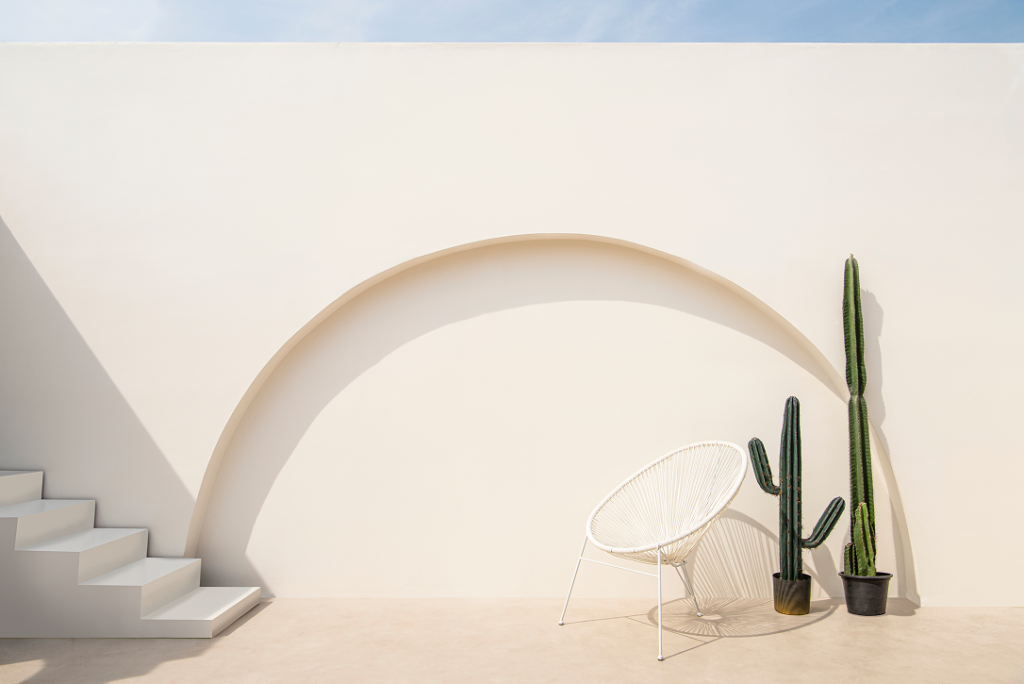
Beyond Empty: What New Minimalism Really Means
New minimalism isn’t about having less for the sake of less—it’s about having exactly what you need, executed perfectly. This approach requires architects to be more creative, more strategic, and more attuned to how people actually use spaces. Every element must earn its place through superior function, exceptional beauty, or both.
Quality Over Quantity
In minimalist design, each material and element carries more weight, both visually and functionally. A single, beautifully crafted wooden wall might replace several decorative elements, serving as both visual focus and functional storage. This approach often means higher upfront investment in fewer, better materials, but the result is spaces that age beautifully and require less maintenance over time.
When evaluating architects, look for those who can articulate the difference between cheap minimalism and thoughtful material reduction. The best minimalist architects will show you how investing in one exceptional material can eliminate the need for multiple lesser elements, often resulting in both superior aesthetics and long-term cost savings.
Multi-Functional Elements
New minimalism demands that every element work harder. A staircase becomes sculptural art while providing storage beneath each step. A kitchen island incorporates seating, storage, cooking surface, and serves as a visual anchor for the entire space. Wall systems integrate lighting, display, storage, and room division in single, elegant solutions.
This approach requires sophisticated design thinking and precise execution. Ask potential architects to show you examples of how they’ve created multi-functional elements in past projects. Can they demonstrate how their designs eliminate clutter while adding functionality?
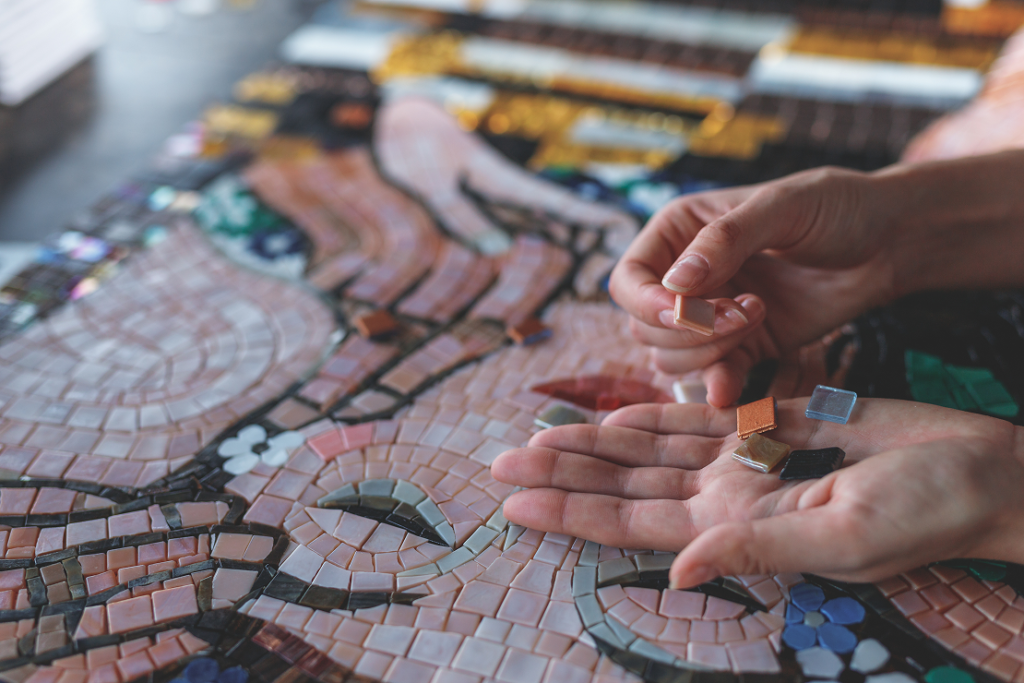
Material Mastery: The Art of Strategic Selection
In maximalist design, a variety of materials can mask imperfections and create visual interest through contrast. Minimalist design offers no such hiding places—every material must be perfect for its application and beautiful in its own right.
The Power of Repetition
Using fewer materials more extensively creates visual coherence and often reduces costs through economies of scale. A single wood species might appear as flooring, cabinetry, and wall cladding, creating unity while showcasing the material’s versatility. The same natural stone might function as countertops, backsplash, and accent walls, demonstrating its various surface treatments and applications.
This approach requires deep knowledge of materials and their properties. Skilled minimalist architects understand which materials can successfully span multiple applications and how to detail transitions between different uses of the same material. They can explain why certain materials work beautifully in multiple applications while others should be used more selectively.
Celebrating Natural Variations
Rather than hiding material imperfections, new minimalism celebrates the natural variations that make materials interesting. The grain pattern in a wood slab, the mineral veining in stone, or the subtle color variations in handmade tile become primary sources of visual interest. This approach connects spaces to natural processes and creates subtle, sophisticated beauty that never becomes tiresome.
Invisible Complexity
The most successful minimalist spaces hide tremendous complexity behind their simple appearances. Clean lines might conceal sophisticated mechanical systems, seamless surfaces might hide ingenious storage solutions, and simple forms might contain complex structural innovations. This invisible complexity requires exceptional technical skill and careful coordination between all design professionals.
Spatial Strategies: Creating Richness Through Reduction
New minimalism creates visual and experiential richness not through adding elements but through masterful manipulation of space, light, and proportion.
The Power of Negative Space
Empty space isn’t wasted space—it’s an active design element that gives other elements room to breathe and creates opportunities for changing light patterns throughout the day. A large empty wall might serve as a canvas for dramatic shadow patterns cast by carefully positioned windows. An open floor area might provide flexibility for various activities while creating a sense of spaciousness that makes the entire space feel larger.
Understanding how to use negative space effectively requires sophisticated spatial intelligence. When interviewing architects, observe how they talk about empty areas. Do they see them as opportunities or just as spaces waiting to be filled?
Light as Material
In minimalist design, light becomes one of the primary materials. Natural light reveals the subtle textures and colors in simple materials throughout the day. Artificial light can transform spaces dramatically between day and night use. Strategic lighting design can make a single space serve multiple functions just through different illumination scenarios.
Proportional Relationships
With fewer elements to create visual interest, proportional relationships between spaces, openings, and elements become crucial. The relationship between ceiling height and room width, the proportions of windows to wall area, and the scale of furniture to architectural elements all become more important when there are fewer elements to distract from these fundamental relationships.
Sustainability Through Simplicity
New minimalism aligns perfectly with contemporary concerns about environmental sustainability and resource conservation. Using fewer materials more efficiently reduces environmental impact while often creating superior long-term performance.
Longevity Through Quality
High-quality materials used simply tend to age better than complex assemblies of lesser materials. A well-detailed concrete floor might last decades with minimal maintenance, while elaborate floor assemblies might require regular replacement or repair. Simple, well-crafted wooden cabinetry can be refinished and updated far more easily than complex built-ins with multiple materials and finishes.
Reduced Material Waste
Minimalist design strategies often reduce construction waste through more efficient material use. Standardized dimensions that work with material manufacturing sizes, simplified details that reduce cutting waste, and multi-functional elements that eliminate redundant materials all contribute to more sustainable construction processes.
Energy Efficiency Through Design
Simple forms are often more energy-efficient than complex ones. Reduced surface area typically means reduced heat loss. Strategic window placement can provide natural ventilation, reducing mechanical cooling needs. Thermal mass from exposed concrete or stone can help regulate interior temperatures naturally.
Practical Minimalism for Different Space Types
The principles of new minimalism apply differently across various project types, but the core strategies remain consistent.
Residential Applications
In homes, minimalism creates calm, restorative environments while maximizing functional space. Open floor plans eliminate circulation waste, built-in storage reduces visual clutter, and carefully selected materials create cohesive, timeless aesthetics. The key is ensuring that simplified spaces still feel warm and personal, not institutional.
Office and Workplace Design
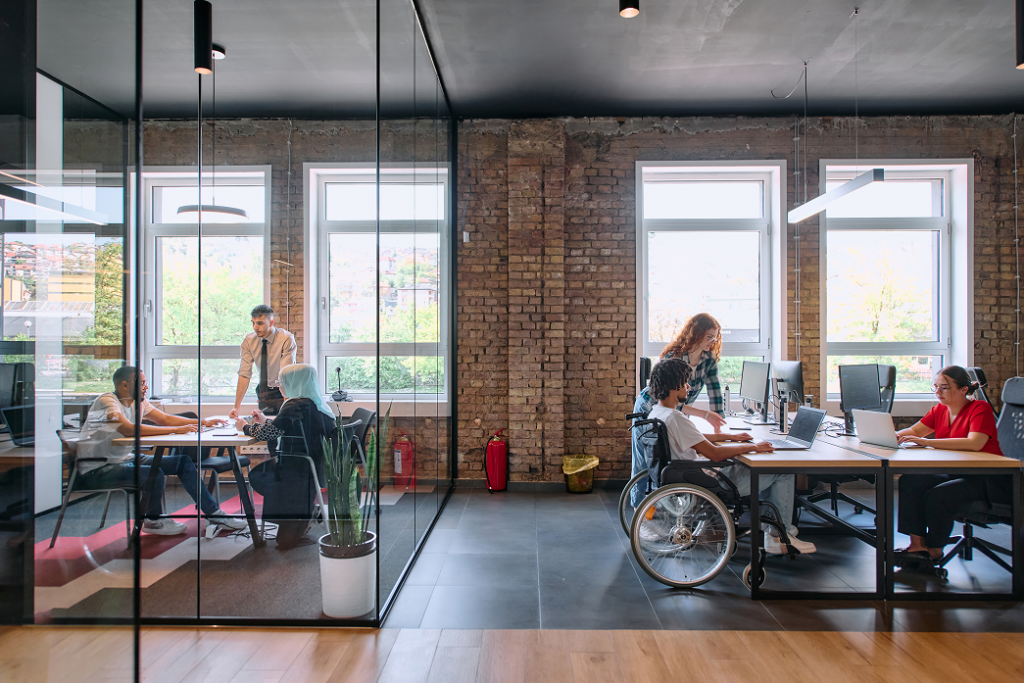
Minimalist office design can improve focus, reduce distractions, and create flexible spaces that adapt to changing work patterns. Clean, simple environments often photograph well for company marketing, and reduced visual complexity can lower stress levels for workers. However, workspace minimalism must balance simplicity with the need for personal expression and variety that prevents monotony.
Retail and Commercial Spaces
In retail, minimalism can create sophisticated brand environments that let products shine. Simple backgrounds allow merchandise to provide color and visual interest, while clean, uncluttered layouts improve navigation and create feelings of luxury. The challenge is creating enough visual interest to engage customers while maintaining the benefits of simplified design.
Questions to Assess Your Architect’s Minimalist Expertise
Design Philosophy:
How do you approach material selection when working with limited palettes?
Can you show me examples of how you’ve created visual interest using primarily space and light?
How do you ensure minimalist spaces feel warm and personal rather than cold?
Technical Knowledge:
How do you detail connections between different applications of the same material?
What strategies do you use to hide complexity while maintaining simple appearances?
How do you balance minimalist aesthetics with practical storage and functional needs?
Process and Communication:
How do you help clients understand the difference between minimalist and just empty?
What’s your approach when clients worry that minimalist design might be too stark?
How do you manage budgets when investing in fewer, higher-quality materials?
The Investment Case for New Minimalism
While minimalist design can require higher upfront investment in fewer, better materials, the long-term benefits often justify the initial costs. Simplified spaces require less maintenance, high-quality materials age better than complex assemblies, and timeless aesthetics avoid the need for frequent updates.
Moreover, minimalist spaces often feel larger than their actual square footage, potentially allowing you to build smaller while achieving the same sense of spaciousness. This can result in significant savings in construction costs, ongoing utilities, and property taxes.
The psychological benefits of minimalist environments—reduced stress, improved focus, easier maintenance—provide ongoing value that’s difficult to quantify but easy to experience. Many clients find that minimalist spaces improve their daily quality of life in ways that make the design investment feel like one of their best decisions.
Choosing the Right Architect for Minimalist Design
New minimalism requires architects who understand that restraint is not limitation but rather a design challenge that demands greater creativity and technical skill. The best minimalist architects will demonstrate through their portfolios and conversation that they can create spaces that feel abundant through careful reduction, luxurious through material quality, and personally meaningful through thoughtful curation.
Look for architects who can articulate their material choices, who understand the interplay between space and light, and who have experience creating multi-functional solutions that eliminate rather than add elements. Most importantly, choose an architect who understands that minimalism serves life—creating spaces that are more functional, more beautiful, and more sustainable than conventional approaches.
The new minimalism offers a path toward spaces that do more with less, providing greater functionality, timeless beauty, and environmental responsibility through strategic design thinking. When executed skillfully, minimalist design creates environments that enhance daily life while treading lightly on the planet—a combination that represents the future of thoughtful architecture.
