
The Ancient Brain in Modern Spaces
Deep within our neural architecture lies an ancient memory—a genetic blueprint forged over millions of years of evolution in natural environments. Yet we spend 90% of our lives inside buildings designed as if this biological inheritance were irrelevant. Biophilic design emerges as architecture’s attempt to bridge this evolutionary gap, creating built environments that speak directly to our most fundamental neurological needs.
This is not mere aesthetic preference or romantic longing for nature. Neuroscience research reveals that our brains are hardwired to respond to natural patterns, textures, and rhythms inmeasurable, predictable ways. When architecture ignores these neural realities, buildings become sources of stress rather than sanctuary. When it embraces them, spaces transform into healing environments that enhance human performance, creativity, and wellbeing.
The marriage of neuroscience and architectural design represents one of the most promising fronters in contemporary building science—a discipline that recognizes the human brain as the ultimate judge of architectural success.
The Neuroscience of Spatial Experience
How Buildings Shape Brains
Environmental psychology research demonstrates that spatial design directly influences neural activity. When we enter spaces with natural lighting, organic shapes, and views of nature, our parasympathetic nervous system activates, reducing cortisol levels and enhancing cognitive function. Stress reduction becomes an architectural outcome, measurable through biomarkers and brain imaging.
Residential buildings designed with biophilic principles show remarkable effects on inhabitant wellbeing. Studies of green building design incorporating natural ventilation, daylight optimization, and indoor plants report 15% increases in occupant productivity and 38% reductions in fatigue. These are not subjective improvements—they are neurological responses to environments that align with our evolutionary programming.
Commercial architecture increasingly recognizes these neural realities. Office buildings with biophilic interiors demonstrate measurable improvements in employee creativity, problem-solving capacity, and job satisfaction. The workplace design revolution isn’t just about aesthetics—it’s about creating environments that optimize human cognitive performance through biological compatibility.
The Pattern Recognition Brain
Our visual cortex evolved to process natural patterns—the fractal geometries of tree branches, the rhythmic repetition of waves, the organic curves of rock formations worn by water and time. Modern architecture that incorporates these natural patterns triggers positive neurological responses that artificial geometries cannot replicate.
Architectural patterns based on fractal geometry create visual environments that our brains process effortlessly. Building facades incorporating organic curves, repetitive natural elements, and biomimetic structures reduce mental fatigue while increasing visual satisfaction. This is evidence-based design at its most fundamental level—architecture informed by how human perception actually functions.
Traditional architecture intuitively understood these principles. Indian architecture features jaali screens with geometric patterns that echo natural forms, creating filtered light conditions that mimic forest canopies. Courtyard houses reproduce the protective enclosure experience our ancestors knew in caves and groves. These vernacular design solutions represent thousands of years of unconscious biophilic experimentation.
The Sensory Architecture of Wellbeing
Sound and the Acoustic Unconscious
Acoustic design in biophilic architecture extends beyond mere noise control to actively promote neurological health. Natural sounds—flowing water, rustling leaves, bird songs—trigger the release of endorphins and reduce neural activity in the brain’s fear centers. Biophilic soundscapes in healing environments accelerate patient recovery and reduce reliance on pain medication.
Water features in landscape architecture serve neurological as well as aesthetic functions. The sound of moving water masks harsh urban noise while providing the acoustic patterns our brains associate with safe, resource-rich environments. Hospital design increasingly incorporates therapeutic gardens with water elements that create healing soundscapes supporting patient recovery.
Building acoustics designed around biophilic principles avoid the hard surfaces and parallel walls that create harsh reverberations. Instead, they incorporate natural materials like wood and stone that absorb and diffuse sound in ways that mimic natural acoustic environments. Sustainable materials often possess superior acoustic properties, creating spaces that sound as good as they look.
Touch and the Haptic Memory
Our skin carries ancient memories of natural textures—the warmth of wood, the coolness of stone, the irregularity of natural fibers. Material selection in biophilic architecture prioritizes tactile experiences that connect inhabitants to these embedded memories. Natural building materials provide sensory richness that synthetic alternatives cannot replicate.
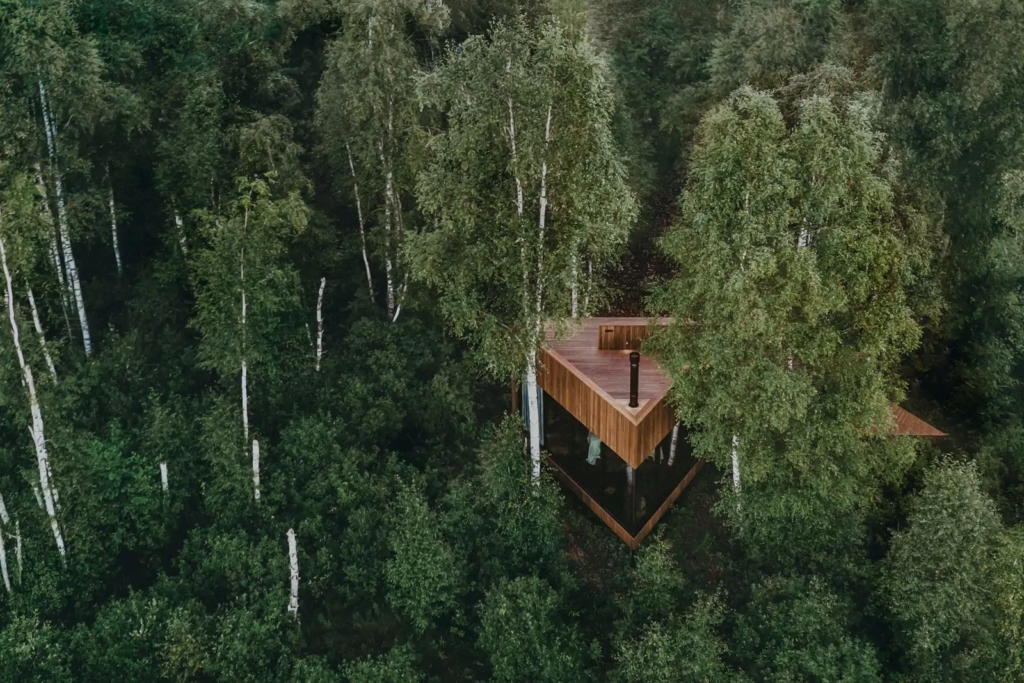
Wood construction offers particular neurological benefits through its tactile properties. Research shows that touching natural wood surfaces reduces sympathetic nervous system activity while increasing parasympathetic activity—literally calming the nervous system through material contact. Timber buildings create environments that continuously provide this therapeutic contact.
Stone and natural materials offer similar haptic benefits while contributing to thermal comfort through their thermal mass properties. Masonry construction creates walls that breathe with daily temperature cycles, providing the thermal variability our bodies evolved to expect. HVAC systems that maintain constant temperatures, while efficient, deprive our bodies of the thermal rhythms that support circadian health.
Light and the Circadian Architecture
Designing with Biological Time
Natural lighting represents perhaps the most critical element of biophilic design. Our circadian rhythms—the internal clocks that regulate sleep, hormone production, and cellular repair—depend on exposure to natural light cycles. Buildings that provide only artificial illumination disrupt these fundamental biological processes, leading to sleep disorders, depression, and compromised immune function.
Daylight design in contemporary architecture goes far beyond simply providing adequate illumination. Dynamic lighting systems that vary in intensity and color temperature throughout the day support natural circadian function. Automated lighting that mimics sunrise and sunset patterns helps inhabitants maintain biological synchronization even in urban environments divorced from natural rhythms.
Green buildings increasingly incorporate advanced glazing systems that optimize daylight penetration while controlling heat gain and glare. Smart glass technology enables windows that adapt transparency and tinting throughout the day, providing optimal light conditions for different activities while maintaining visual connection to outdoor environments.
The Psychology of Views
Views of nature from interior spaces provide measurable psychological and physiological benefits. Patients in hospital rooms with garden views recover faster and require less pain medication than those facing brick walls or urban landscapes. Office workers with nature views report higher job satisfaction and demonstrate better task performance than those in windowless environments.
Landscape architecture design around buildings becomes crucial for maximizing these benefits. Urban planning that preserves green spaces and integrates natural areas into dense development creates the visual resources that support biophilic architecture. Rooftop gardens and green walls expand these opportunities in high-density housing where ground-level nature access is limited.
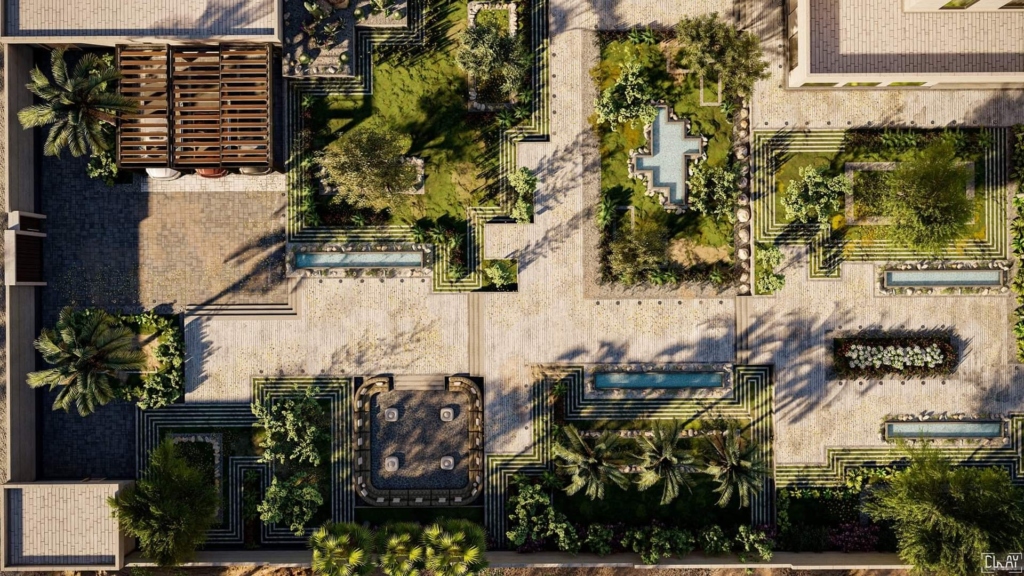
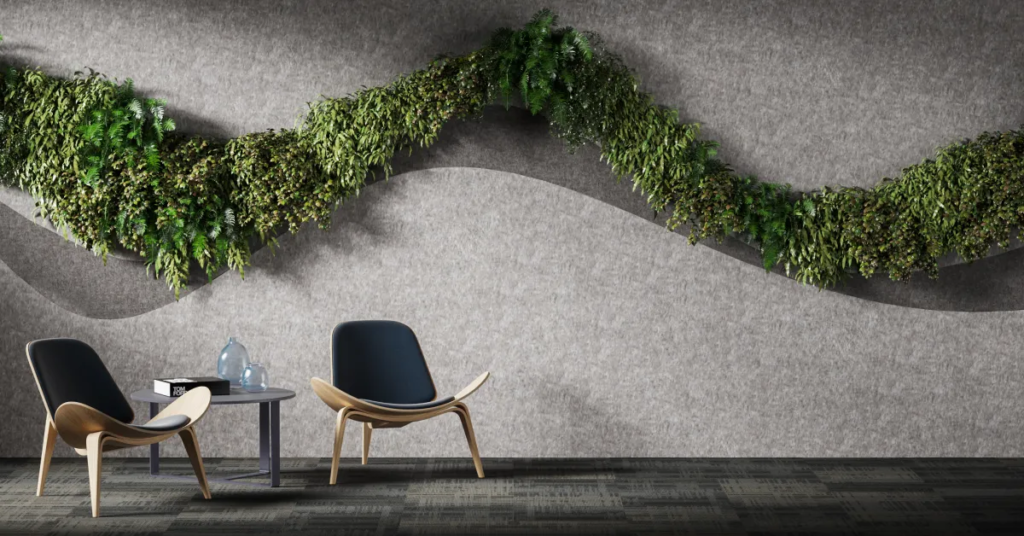
Interior landscaping brings nature views directly into building interiors. Living walls, indoor gardens, and planted courtyards create the visual complexity and seasonal change that our brains crave. Plant selection for indoor air quality provides additional health benefits while creating the living, growing environments our psyches find restorative.
Biophilic Strategies in Indian Architecture
Climate and Culture Integration
Tropical architecture naturally incorporates many biophilic principles through climate response strategies. Verandas, courtyards, and covered walkways create transitional spaces that blur boundaries between indoor and outdoor environments. Natural ventilation systems provide the air movement patterns our bodies evolved to interpret as comfort signals.
Regional architecture across India demonstrates intuitive understanding of biophilic principles. Kerala architecture with its wooden construction, sloped roofs, and integrated water features creates environments that support both thermal comfort and psychological wellbeing. Rajasthani havelis use courtyards and wind towers to create cool, naturally ventilated spaces that feel connected to outdoor conditions.
Contemporary Indian architecture can learn from these traditional building strategies while incorporating modern biophilic research. Sustainable architecture firms increasingly design residential complexes and commercial buildings that combine energy efficiency with biophilic principles, creating spaces that serve both environmental and neurological health.
Urban Biophilia Strategies
Smart cities development across India provides opportunities to integrate biophilic principles at urban scale. Green infrastructure including urban forests, wetland parks, and tree-lined streets creates the natural backdrop necessary for effective biophilic architecture. Public spaces designed around biophilic principles become outdoor rooms that extend the healing potential of buildings into the urban fabric.
Housing developments that incorporate community gardens, water bodies, and preserved vegetation create residential environments that support both physical and mental health. Affordable housing designed with biophilic principles proves that connection to nature should not be a luxury available only to wealthy populations.
Technology and Biophilic Integration
Smart Buildings Meet Ancient Needs
Building automation systems enable sophisticated biophilic responses to environmental conditions and occupant needs. Sensors monitoring air quality, light levels, and occupancy patterns can adjust natural ventilation, artificial lighting, and even water features to maintain optimal biophilic conditions throughout the day.
IoT technology in buildings creates opportunities for personalized environmental control that responds to individual circadian rhythms and stress levels. Wearable devices communicating with building systems could adjust lighting, temperature, and acoustic conditions to support each inhabitant’s neurological needs.
Virtual reality and augmented reality technologies cannot replace actual nature contact, but they can supplement biophilic design in contexts where natural elements are impossible. Digital nature displays in healthcare environments and urban buildings provide some neurological benefits while serving as placeholders for actual biophilic elements.
Measuring Biophilic Success
Post-occupancy evaluation of biophilic buildings increasingly incorporates neurological and physiological measurements alongside traditional comfort surveys. Stress hormone testing, cognitive performance assessments, and sleep quality monitoring provide objective measures of biophilic design effectiveness.
Building performance metrics expand beyond energy consumption and maintenance costs to include occupant wellbeing indicators. Human-centered design approaches recognize that buildings must serve neurological as well as functional needs to be considered truly successful.
The Future of Neurological Architecture
Precision Biophilia
Personalized medicine approaches may soon extend to personalized architecture. Understanding individual genetic variations in sensory processing and stress response could enable buildings that adapt their biophilic elements to support each occupant’s specific neurological needs.
Biometric monitoring in buildings could create feedback loops where spaces continuously adjust their biophilic elements based on real-time measurements of occupant stress, attention, and comfort levels. Architecture becomes therapeutic intervention, precisely calibrated to support human flourishing.
Regenerative Biophilia
Living buildings that incorporate actual ecosystems rather than merely natural-looking materials represent the future frontier of biophilic design. Integrated ecosystems within building structures provide air purification, carbon sequestration, and biodiversity habitat while creating the complex natural environments our brains find most restorative.
Biomimetic architecture that not only looks natural but actually functions like natural systems creates buildings that support both human health and environmental regeneration. This represents architecture’s evolution from merely sustainable to actively healing—structures that make both people and planet healthier.
The marriage of neuroscience and architecture promises buildings that serve as healing environments, cognitive enhancers, and stress reducers. As we understand more about how built environments affect human neurology, we can design spaces that don’t just shelter bodies but nurture minds, creating architecture that makes us more human rather than less.

Hi, this is a comment.
To get started with moderating, editing, and deleting comments, please visit the Comments screen in the dashboard.
Commenter avatars come from Gravatar.