
The Silent Narrators of Built Space
Every building material carries within its molecular structure a story waiting to be told. Stone speaks of geological time and patient formation. Wood whispers of seasons, growth, and the slow alchemy of photosynthesis. Steel sings of industrial ambition and human mastery over fire and ore. In the hands of skilled architects, these materials become more than mere construction components—they transform into the vocabulary of architectural narrative, telling stories that resonate across cultures and centuries.
Material selection in contemporary architecture has evolved far beyond mere functional considerations of strength, durability, and cost. Today’s architects understand that materials function as storytellers, cultural ambassadors, and emotional triggers that shape how inhabitants experience and remember spaces. The craft lies in orchestrating these material narratives into coherent architectural stories that serve both practical needs and deeper human yearnings.
This is architecture as literature written in matter—where every surface texture, every joint detail, every weathering pattern contributes to an ongoing narrative about place, culture, time, and human aspiration. Sustainable design adds new chapters to this story, demanding materials that speak not just of present needs but of responsibility toward future generations.
Stone: The Chronicle of Deep Time
The Geological Narrative
Natural stone in architecture carries the deepest stories of all—narratives written in sedimentary layers, volcanic pressures, and metamorphic transformations spanning millions of years. When we incorporate granite, marble, limestone, or sandstone into buildings, we invite geological history to participate in human history, creating structures that connect momentary human experience to vast planetary processes.
Traditional architecture across India demonstrates profound understanding of stone’s storytelling potential. The red sandstone of Mughal monuments narrates stories of imperial power and artistic refinement, while the basalt temples of the Deccan speak of spiritual devotion carved from volcanic bedrock. Each stone type carries specific cultural associations that skilled architects can invoke or subvert in contemporary design.
Stone construction techniques themselves tell stories of human craftsmanship and cultural continuity. Dry stone walls speak of patient skill passed down through generations, while precision-cut stone facades tell stories of technological advancement and industrial capability. Stone masonry becomes a form of cultural preservation, maintaining traditional skills while adapting them to modern construction needs.
The Weathering Stories
Stone aging creates some of architecture’s most compelling narratives. Limestone that develops rich patina tells stories of rain and wind, sun and frost—environmental stories that connect buildings to their climate contexts. Sandstone that weathers into flowing, organic forms speaks of time’s transformative power, creating architecture that grows more beautiful rather than merely older.
Building maintenance strategies for stone architecture can either honor or ignore these weathering narratives. Restoration approaches that preserve natural patina maintain the building’s accumulated stories, while aggressive cleaning erases the record of time’s passage. Historic preservation increasingly recognizes weathering as part of a building’s cultural significance rather than damage to be repaired.
Climate-responsive design using stone considers how different stone types weather in specific environmental conditions. Local stone typically weathers most gracefully in its native climate, having been formed by similar environmental forces over geological time. This creates sustainable architecture that tells authentic stories about place and environment.
Wood: The Living Memory of Architecture
The Stories in the Grain
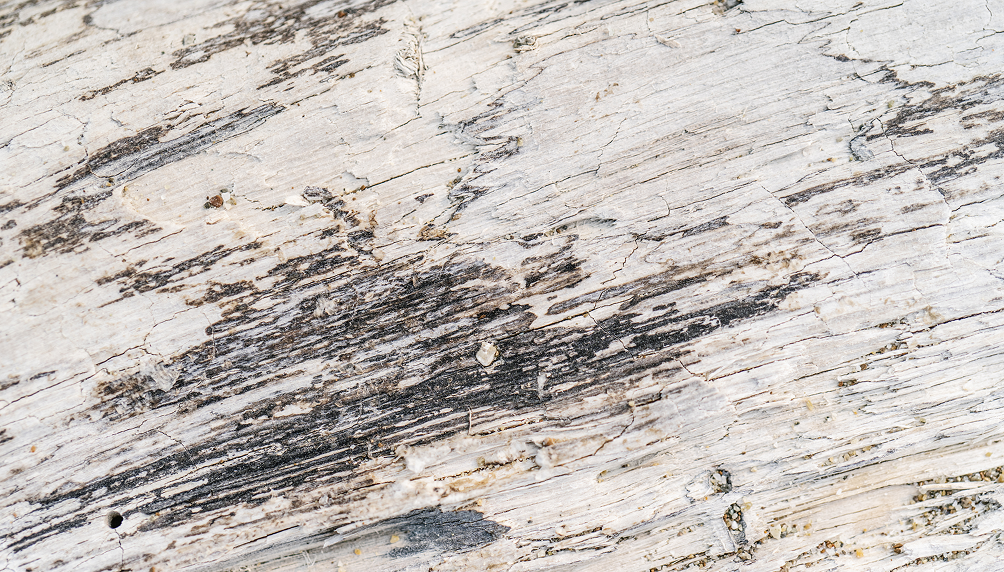
Timber construction incorporates living history into architecture through wood’s cellular record of growth. Each annual growth ring tells a story of seasonal weather patterns, abundant or scarce rainfall, warm or cool summers. Wood grain patterns create visual narratives that connect buildings to specific forests, specific years, specific environmental conditions during the tree’s lifetime.
Engineered wood products like cross-laminated timber and glue-laminated beams create new kinds of stories by combining multiple pieces of timber into unified structural elements. These materials tell stories of technological innovation while maintaining wood’s essential narrative qualities—creating sustainable building materials that speak of both tradition and progress.
Wood species selection provides architects with different narrative vocabularies. Teak tells stories of tropical luxury and colonial history. Pine speaks of northern forests and modest craftsmanship. Bamboo narrates rapid growth and renewable resources. Each species brings specific cultural associations and performance characteristics that contribute to the building’s overall story.

The Craft Narrative
Traditional wood joinery techniques tell stories of craftsman expertise and cultural continuity. Japanese timber framing with its precise joints and absence of metal fasteners speaks of patience, skill, and harmony with natural materials. Scandinavian log construction tells stories of forest abundance and climate adaptation. These construction techniques become cultural expressions embedded in architectural form.
Modern wood construction creates new narrative possibilities through engineered lumber systems and prefabricated components. Mass timber buildings tell stories of forests managed for sustainability, of carbon storage, of biophilic connection in urban environments. These materials enable high-rise wood construction that challenges assumptions about wood’s structural limitations while maintaining its essential narrative qualities.
Wood preservation and finishing techniques influence the stories that timber tells over time. Natural wood finishes allow weathering and aging patterns to develop, creating narratives of time’s passage. Protective coatings preserve original appearance but may interrupt the natural aging stories. Fire-retardant treatments add safety narratives while potentially altering wood’s visual and tactile qualities.
Metal: The Industrial Epic
Steel Stories of Ambition
Steel construction tells stories of industrial power and human ambition to transcend natural limitations. Every steel beam speaks of furnaces hot enough to melt ore, of mills capable of rolling molten metal into precise structural shapes, of transportation systems that can move heavy materials across continents. Steel framing enables architectural narratives of soaring height and dramatic spans previously impossible.
Exposed steel structures celebrate the material’s industrial heritage while creating raw, honest aesthetic expressions. Industrial architecture that reveals its steel skeleton tells stories about the beauty of functional efficiency. Weathering steel that develops protective rust patinas tells stories of controlled decay and industrial aesthetics made beautiful through time.
Steel fabrication techniques create different narrative possibilities. Welded connections speak of permanent joinery and industrial precision. Bolted connections tell stories of assembly and potential disassembly, of structures designed for change. Cast steel elements enable custom shapes that combine industrial capability with artistic expression.

The Corrosion Chronicles
Steel weathering patterns tell complex stories about environmental exposure and protective strategies. Galvanized steel that maintains bright appearance speaks of resistance to corrosion and long-term planning. Painted steel creates opportunities for color narratives while protecting the substrate material. Cor-Ten steel that weathers to stable rust patina tells stories of controlled oxidation and industrial beauty.
Steel recycling adds sustainability narratives to metal construction. Recycled steel content in new construction tells stories of circular economy and resource conservation. Structural steel designed for disassembly and reuse creates architecture that anticipates future material cycles rather than permanent installation.
Concrete: The Democratic Material
The Fluid Stone Story
Concrete construction tells uniquely modern stories of material transformation—liquid becoming solid, industrial materials creating monolithic structures, democratic accessibility to permanent construction. Cast-in-place concrete captures the story of its forming process, recording the texture of wooden formwork, metal panels, or fabric impressions in its final surface.
Exposed concrete celebrates the material’s honest expression of its construction process. Board-marked concrete tells stories of wooden formwork and human craftsmanship within industrial processes. Bush-hammered concrete reveals aggregate stories hidden beneath smooth surfaces. These concrete finishes create tactile narratives that invite touch and close examination.
Precast concrete elements tell different stories about factory precision and modular assembly. Architectural precast panels enable complex shapes and consistent quality while telling stories about industrial efficiency and design control. Tilt-up construction speaks of speed and economy while creating opportunities for large-scale surface expression.
The Aging Concrete Narrative
Concrete weathering creates controversial stories in architecture. Some view concrete discoloration and efflorescence as natural aging that adds character, while others consider it maintenance failure requiring intervention. Brutalist architecture often embraces concrete’s weathering patterns as part of its aesthetic narrative, creating buildings that tell stories about time’s passage.
Concrete repair and restoration decisions influence these aging narratives. Patching and cleaning can erase the accumulated stories of weather and use, while protective coatings prevent natural weathering patterns from developing. Heritage concrete buildings require careful balance between preservation and natural aging processes.
Composite Materials: The Hybrid Stories
New Materials, New Narratives
Fiber-reinforced polymers, composite panels, and engineered materials tell contemporary stories about technological innovation and performance optimization. These materials often combine multiple narrative threads—carbon fiber speaks of aerospace technology adapted to architecture, recycled plastic lumber tells stories of waste transformation, bio-based composites narrate sustainability innovation.
Smart materials that change properties in response to environmental conditions tell dynamic stories that evolve with use. Thermochromic materials that change color with temperature, photovoltaic materials that generate electricity, self-healing materials that repair damage autonomously—these materials create architecture with embedded storytelling capabilities.
Sustainable composites using natural fibers and bio-based resins tell stories about renewable resources and reduced environmental impact. These materials enable green building construction that maintains high performance while reducing dependence on petroleum-based products and energy-intensive manufacturing processes.
The Cultural Context of Material Stories
Regional Material Narratives
Local materials tell place-specific stories that connect buildings to their geographic and cultural contexts. Regional stone, local timber, and indigenous materials create architecture that speaks authentically about its location while supporting local economies and reducing transportation impacts.
Vernacular architecture demonstrates how traditional material cultures developed sophisticated approaches to climate response, resource availability, and cultural expression. Adobe construction tells stories of earth and water, sun and human hands. Thatch roofing speaks of agricultural cycles and traditional crafts. Bamboo construction narrates rapid growth and renewable resources.
Imported materials tell different stories about global connections and cultural exchange. Exotic stones, tropical hardwoods, and industrial materials from distant places can create architecture that speaks of international connections while raising questions about environmental impact and cultural authenticity.
The Economics of Material Stories
Cost-effective materials tell stories about resource constraints and creative problem-solving. Budget construction using locally-available materials often creates more authentic and environmentally appropriate architecture than expensive imported materials. Value engineering becomes an exercise in finding materials that tell appropriate stories within economic limitations.
Luxury materials tell stories about wealth, status, and craftsmanship. Premium stone, exotic timbers, and custom metalwork create architecture that speaks of exclusivity and refinement. However, these materials carry ethical questions about resource extraction and social equity in their narrative implications.
The Future of Material Storytelling
Regenerative Material Narratives
Living materials that grow, adapt, and self-repair will tell new kinds of stories about the relationship between nature and architecture. Mycelium-based materials, bacterial concrete, and algae-based polymers create buildings that blur boundaries between constructed and grown, artificial and natural.
Carbon-negative materials that sequester more carbon than their production releases tell stories about architecture’s potential to heal rather than harm environmental systems. Biogenic materials that store atmospheric carbon in building structures create architecture that actively contributes to climate stability.
Circular materials designed for infinite reuse cycles tell stories about architecture as temporary arrangements of permanent materials. Modular construction systems and reversible connections enable buildings that can be disassembled and reconstituted multiple times, creating architecture that adapts to changing needs without waste.
The craft of matter in architecture continues evolving as new materials and new understanding of material impacts create new storytelling possibilities. Future architects will work with materials that tell stories we cannot yet imagine—but the fundamental principle remains constant: every material choice is a narrative choice, every surface texture a sentence in the larger story that architecture tells about human aspiration, cultural values, and our relationship with the physical world.
