
Why Great Architecture Is Art, Not Just Engineering
When most people think about hiring an architect, they imagine someone who draws blueprints and specifies materials—a technical professional who translates functional requirements into buildable plans. While technical competence is certainly essential, this view misses something profound about what the best architects actually do. They are artists working in three-dimensional space, choreographers of human movement, storytellers using materials and light, and philosophers exploring what it means to dwell meaningfully in the world.
Understanding architecture as a living, artistic practice will fundamentally change how you evaluate potential architects for your project. Instead of simply comparing portfolios and checking references, you’ll begin to recognize architects who bring creative vision, artistic sensitivity, and innovative thinking to their work. Whether you’re planning a home, office, retail space, or institutional building, choosing an architect who approaches their work as an art form can transform your project from a functional solution into an inspiring, transformative environment

Architecture as Spatial Art: Creating Experiences, Not Just Buildings
The most profound architectural experiences aren’t just about individual elements—the materials, lighting, or furniture—but about how all these elements work together to create something that transcends the sum of its parts. Great architects think like artists, considering not just what a space contains but what it feels like to inhabit, move through, and live within.
Composing with Space and Light
Like painters who compose with color and form, architects compose with space, light, and material. They understand that an empty room is not actually empty—it’s filled with potential, with relationships between surfaces, with the quality of light that changes throughout the day. The most artistic architects create spaces where light becomes a material as important as wood or stone, where shadows create texture and rhythm, and where the interplay of solid and void creates emotional resonance.
When interviewing architects, listen for how they talk about light. Do they discuss it as merely a functional requirement, or do they speak about light quality, color temperature, and how it reveals architectural details? Architects who understand light as an artistic medium will create spaces that feel alive and dynamic.
Choreographing Movement
Buildings are environments to be experienced through movement and time. Artistic architects think like choreographers, considering how people will move through spaces, where they will pause, and what views and experiences will unfold as they navigate the building. This choreographic thinking shows up in doorway placement that creates anticipation before revealing destination spaces, in staircases that become processional experiences, and in the careful orchestration of views that unfold as you move through a building.
Creating Emotional Narratives
Great architecture tells stories—not literal stories, but emotional narratives that unfold through spatial experience. A home might tell the story of a family’s daily rituals, an office building might foster both collaboration and focus, and a retail space might create an environment of discovery and desire. These narratives emerge through careful orchestration of spatial sequences, material choices, lighting conditions, and proportional relationships.
The Creative Process: How Artistic Architects Work
Understanding how artistically-minded architects approach their creative process will help you identify practitioners who will bring innovation and vision to your project rather than applying formulaic solutions.
Research and Inspiration
The most creative architects draw inspiration from sources far beyond architecture. They might study how light filters through forest canopies, analyze proportional relationships in classical music, or investigate how traditional craftspeople solve problems. This broad curiosity feeds their creative process and results in solutions that feel fresh and unexpected.
When evaluating architects, ask about their sources of inspiration. Do they reference only other buildings, or do they draw from art, nature, literature, and music? Architects with diverse sources of inspiration typically bring more creativity to their projects.

Iterative Exploration
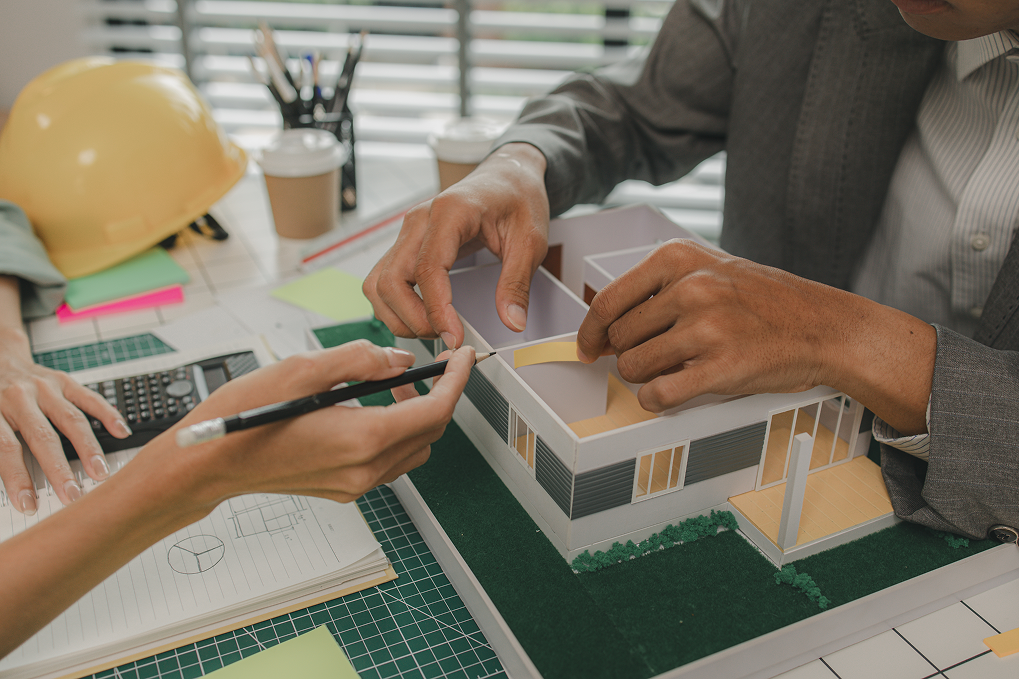
Artistic architects understand that the best solutions rarely emerge fully formed in the first sketch. They embrace iterative exploration, testing ideas through drawings, models, and increasingly sophisticated studies. This process might involve dozens of design iterations, each exploring different aspects of the problem.
Collaboration as Creative Catalyst
The most artistic architects understand that collaboration enhances rather than compromises their creative vision. They work closely with clients to understand not just functional requirements but aspirations and emotional goals. They collaborate with engineers and craftspeople to push technical boundaries and explore new possibilities.
Innovation Through Integration: Where Art Meets Technology
The most exciting contemporary architecture emerges from the intersection of artistic vision and technological innovation. Architects who approach their work as art are often the ones pushing boundaries with new materials, construction techniques, and building technologies.
Material Innovation
Artistic architects are often early adopters of new materials and construction techniques because new capabilities expand their creative palette. They might experiment with composite materials that allow impossible curves, explore 3D printing for complex geometries, or investigate bio-based materials that blur boundaries between natural and manufactured.
Look for architects who show enthusiasm about new possibilities alongside deep knowledge of traditional techniques. The most innovative practitioners typically combine cutting-edge exploration with respect for time-tested approaches.
Digital Design Tools
Contemporary digital design tools allow architects to visualize and test ideas that would have been impossible just a decade ago. Parametric design software enables complex geometries, virtual reality allows clients to experience spaces before they’re built, and environmental modeling helps create more comfortable, efficient environments.
However, tools are only as good as the vision that guides their use. Look for architects who demonstrate how digital tools enhance rather than constrain their creative process.
The Client-Architect Creative Partnership
Working with an architect who approaches their practice as art requires a different kind of relationship—one based on creative partnership rather than simple service provision.
Collaborative Vision Development
Artistic architects don’t simply execute client requirements—they work with clients to discover and refine aspirations that might not have been fully articulated initially. This process involves extensive conversation, site visits to inspirational spaces, and gradual refinement of goals and priorities.
Be prepared for architects who ask probing questions about your dreams and aspirations, not just functional requirements. The best creative partnerships emerge when clients are open to having their expectations expanded through the design process.
Embracing Creative Risk
Innovation requires risk, and clients working with artistic architects must be comfortable with some level of exploration. This doesn’t mean accepting poor performance or budget overruns, but it does mean being open to solutions that might be different from what you initially imagined.
The most successful partnerships involve clients who trust their architect’s vision while maintaining clear communication about their needs and concerns.
Evaluating Artistic Capability in Architecture
Recognizing artistic capability requires looking beyond surface aesthetics to understand the deeper creative intelligence at work.
Key Questions to Ask:
Can you walk me through your creative process for a recent project?
How do you approach problems that don’t have obvious precedents?
What sources outside of architecture influence your design thinking?
How do you balance creative vision with practical constraints?
Can you describe a project where you had to innovate to solve a particular challenge?
Portfolio Analysis
Look for projects that show creative problem-solving rather than just aesthetic refinement. Can you see evidence of innovative spatial solutions, creative use of materials, or novel approaches to common problems? Do projects show progression and evolution in the architect’s thinking over time?
Process Documentation
Ask to see design process documentation, not just finished projects. Sketches, study models, and design evolution drawings reveal how architects think and work. Look for evidence of thorough exploration and iterative refinement.
The Value Proposition of Artistic Architecture
Choosing an architect who approaches their work as art typically requires higher fees and longer design schedules than working with purely service-oriented practitioners. However, the value proposition can be compelling.
Unique Solutions Artistic architects create solutions specifically tailored to your situation rather than applying standard approaches. This customization often results in better performance, higher user satisfaction, and more distinctive results.
Long-term Value Buildings created with artistic vision often age better and maintain relevance longer than those designed purely for immediate function. Thoughtful design decisions based on enduring principles typically result in environments that remain satisfying for decades.
Enhanced Experience Spaces created with artistic sensibility provide richer, more satisfying daily experiences. Whether it’s a home that makes everyday routines feel special or an office that inspires creativity, the experiential enhancement can provide ongoing value that far exceeds the initial investment.
Making the Decision: Choosing Artistic Vision
Not every project requires an artistic approach to architecture. Simple renovations, highly standardized building types, or projects with extremely tight budgets might be better served by more straightforward practitioners.
However, if your project represents a significant investment in your quality of life or business success, consider the potential value of working with an architect who brings artistic vision to their practice. These practitioners can transform construction projects into creative endeavors that exceed your expectations and provide ongoing inspiration for years to come.
The key is finding architects whose artistic sensibility aligns with your values, whose creative process feels collaborative, and whose vision for your project expands your sense of what’s possible while remaining grounded in practical reality.
Architecture as a living, artistic practice offers the possibility of creating built environments that are not just functional but transformative—spaces that inspire daily life, support human flourishing, and contribute to the larger cultural conversation about how we choose to shape our world. When you work with architects who understand this potential, you become a participant in that creative conversation, helping to bring new forms of beauty and meaning into existence.
