
How Spaces Shape Human Emotion
When you walk into a space, something happens within seconds—before you consciously analyze the room’s purpose or aesthetic, your body and mind have already begun responding. Your shoulders might relax in a cozy café, your energy might spike in a dynamic office lobby, or you might feel instantly at peace in a thoughtfully designed home. This isn’t coincidence; it’s the result of deliberate spatial design that understands the profound connection between our built environment and our emotional well-being.
As you embark on your architectural project—whether it’s designing your dream home, planning a new office space, or creating a retail environment—understanding how spaces influence emotions isn’t just fascinating theory. It’s practical knowledge that will help you choose the right architectural partner and communicate your vision effectively. The best architects don’t just create beautiful spaces; they craft emotional experiences through scientific understanding of how humans interact with their environment.
The Psychology of Space: Why Your Environment Affects Your Mood
Research in environmental psychology has consistently shown that our surroundings directly impact our stress levels, productivity, creativity, and overall happiness. When you’re evaluating architects for your project, look for those who understand these psychological principles and can articulate how they’ll apply them to your specific needs.
Ceiling Height and Mental Freedom
High ceilings don’t just look impressive—they literally expand our thinking. Studies show that spaces with higher ceilings promote more abstract, creative thinking, while lower ceilings encourage detailed, focused work. For your home’s living areas, higher ceilings can create a sense of freedom and possibility. In office design, varying ceiling heights can create zones that naturally support different types of work. A skilled architect will use this principle strategically throughout your space.
Natural Light and Circadian Rhythms
The quality and quantity of natural light in a space affects everything from your sleep patterns to your mood and productivity. Spaces flooded with natural light reduce the need for artificial lighting during the day, lower stress hormones, and improve cognitive function. When interviewing architects, ask specifically about their approach to natural light. Do they consider the path of the sun throughout the day? How do they plan to maximize light while controlling glare and heat? These details separate exceptional architects from merely competent ones.
Color Temperature and Emotional Response
The warmth or coolness of light and color schemes creates immediate emotional responses. Warmer tones (reds, oranges, yellows) create intimacy and energy, perfect for social spaces like dining rooms or collaborative office areas. Cooler tones (blues, greens, grays) promote calm and focus, ideal for bedrooms, meditation spaces, or concentrated work areas. An experienced architect will discuss color psychology during your consultation, helping you understand how different palettes will affect daily life in your space.
Spatial Flow: Creating Emotional Journeys Through Design
Great architecture doesn’t just place rooms efficiently; it creates emotional narratives as people move through space. This concept, known as spatial sequence, is crucial whether you’re designing a family home, a retail store, or an office building.
The Power of Transition Spaces
The journey between spaces is as important as the destinations themselves. A well-designed entryway creates anticipation and prepares visitors for what’s to come. In residential design, a thoughtful entry sequence might lead from a covered porch, through a welcoming foyer with carefully controlled sightlines, gradually revealing the main living space. This progression creates emotional buildup and makes the final reveal more impactful.
For retail spaces, this principle is equally crucial. The transition from street to store should feel intentional and welcoming, drawing customers into an emotional journey that supports their shopping experience. Office buildings benefit from transition zones that help employees shift from external stresses to focused work mindset.
Compression and Release
Master architects understand the emotional power of spatial contrast. Moving from a compressed, intimate space into a soaring, open area creates a powerful sense of release and wonder. This technique appears in great architecture throughout history—from Gothic cathedrals to modern museums. In your project, consider how strategic compression and release might enhance the emotional impact of key spaces.
Biophilic Design: Connecting with Nature for Emotional Well-being
Humans have an innate connection to nature, and incorporating natural elements into built environments significantly improves emotional well-being, stress reduction, and cognitive function. This approach, called biophilic design, goes far beyond simply adding a few plants.
Natural Materials and Textures
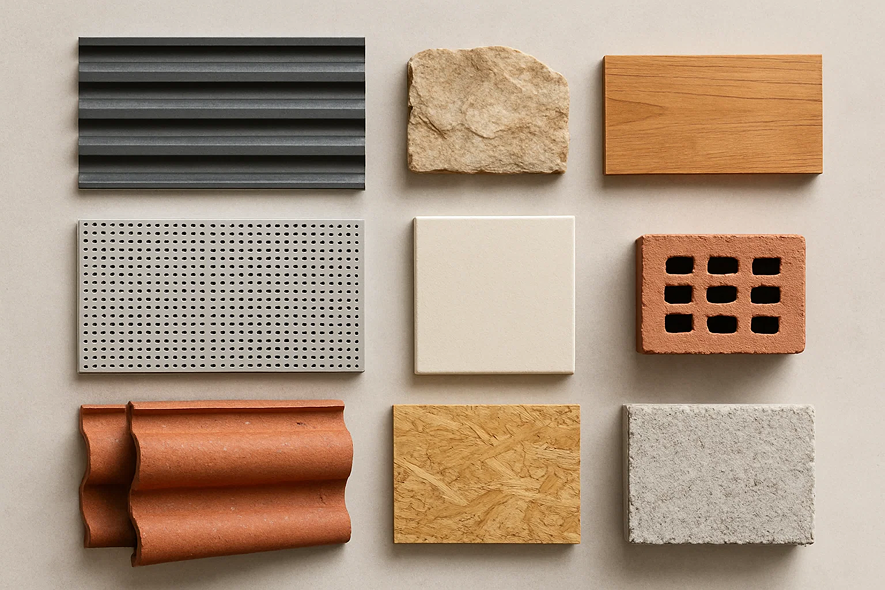
Wood, stone, and other natural materials create immediate emotional warmth and connection to the natural world. The grain of wood, the texture of natural stone, or the subtle variations in bamboo all provide visual and tactile richness that synthetic materials struggle to match. When discussing materials with potential architects, pay attention to their enthusiasm for and knowledge of natural materials. Do they understand how different woods age and patina? Can they explain the emotional qualities of various stones?

Views and Visual Connections
Strategic placement of windows, skylights, and glass doors creates vital connections to the outdoors. Even views of small gardens, courtyards, or green walls can significantly impact mood and stress levels. In urban environments where expansive nature views aren’t possible, skilled architects create clever visual connections to whatever natural elements exist—perhaps framing a single tree or creating sight lines to a pocket garden.
Natural Patterns and Geometries
Nature rarely creates perfect straight lines or exact symmetry. Incorporating organic shapes, fractal patterns, and natural geometries into architectural design creates subconscious comfort and interest. This might manifest as curved walls, organic-shaped openings, or decorative elements that echo natural patterns.
Cultural and Personal Memory: Designing for Emotional Resonance
The most emotionally powerful spaces often connect to our cultural memories and personal experiences. Skilled architects understand how to incorporate these elements thoughtfully, creating spaces that feel both fresh and familiar.
Archetypal Spaces
Certain spatial arrangements trigger deep, often unconscious emotional responses. The hearth as a gathering place, the protected alcove for quiet reflection, or the elevated platform for important activities—these archetypal spaces appear across cultures because they fulfill fundamental human needs. An excellent architect will help you identify which archetypal spaces matter most for your project and lifestyle.
Personal History and Cultural Context
Your emotional connection to spaces often relates to meaningful places from your past. Maybe you have fond memories of your grandmother’s sunlit kitchen or feel energized by the urban loft where you lived as a young adult. Sharing these emotional touchstones with your architect helps them understand what spatial qualities will create positive emotional responses for you specifically.
Practical Application: Questions to Ask Your Architect
When evaluating architects for your project, their understanding of emotional spatial design should be evident in their approach and conversation. Here are key questions to assess their expertise:
About Process:
How do you learn about our emotional goals for this space?
Can you walk me through how you’ll consider psychological factors in the design process?
How do you test whether a design will create the emotional response we want?
About Specific Design Elements:
How do you approach natural light to support our daily rhythms and activities?
What’s your philosophy on color and material selection for emotional impact?
How do you create smooth transitions between different functional areas?
About Experience:
Can you show me examples of projects where you specifically designed for emotional impact?
How do you measure whether your completed projects achieve their emotional goals?
What’s been your most successful project in creating a specific emotional atmosphere?
The Investment in Emotional Design
Understanding and implementing emotional spatial design requires expertise, sensitivity, and often additional upfront investment in materials, lighting, and spatial planning. However, the returns—in daily happiness, productivity, and long-term satisfaction with your space—are immeasurable. Spaces designed with emotional intelligence become places people love to inhabit, work becomes more enjoyable, homes become true sanctuaries, and retail environments create loyal customers.
When choosing an architect, remember that technical competence is just the baseline. The architect who will create a truly transformative space for you is one who understands that great design touches both the mind and the heart. They’ll listen carefully to your emotional goals, ask thoughtful questions about how you want to feel in your space, and demonstrate through their portfolio and conversation that they consider emotional impact a crucial element of successful design.
Your space will shape your daily experience for years to come. Choosing an architect who understands the science of emotional design ensures that every day in your new environment supports your well-being, productivity, and happiness. The investment in this expertise pays dividends in the quality of life your space provides, making it one of the most important considerations in your architectural selection process.
